
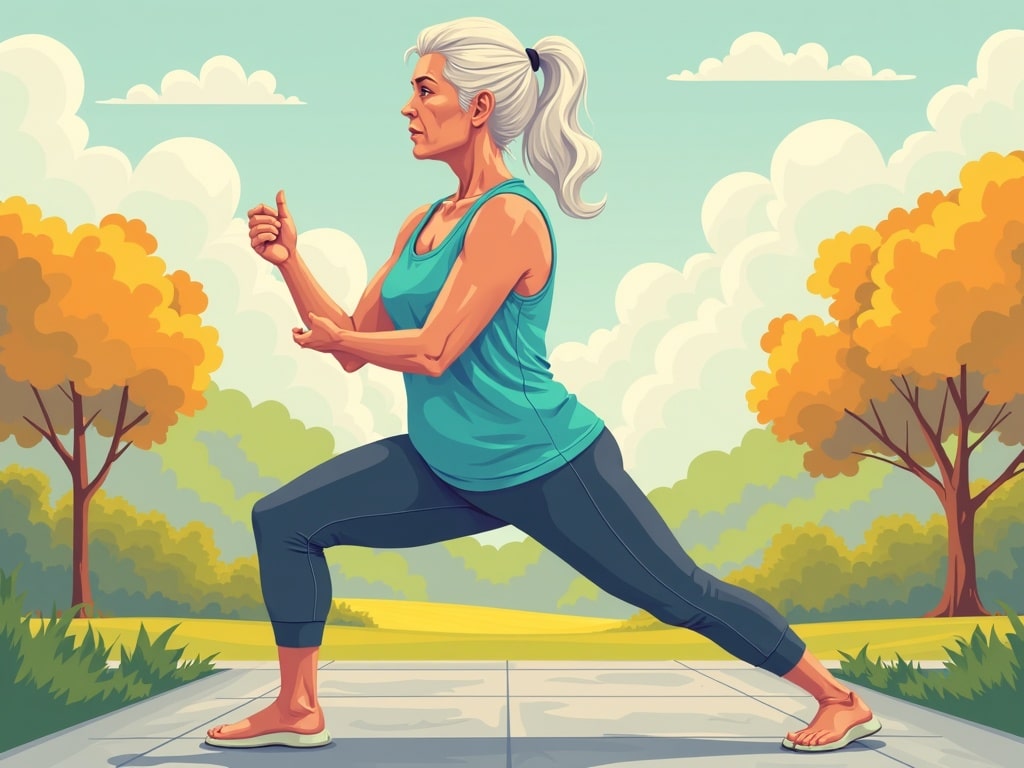
Unlocking Agility: Essential Stretching Exercises for Senior Flexibility
Remember the days when you could effortlessly reach for that top shelf item, bend down to tie your shoes without a groan, or twist to see the car approaching behind you? As we gracefully age, flexibility often diminishes, bringing with it stiffness, discomfort, and limitations on daily activities. But the story doesn't have to end there. Embracing a regimen of gentle stretching exercises can be a powerful tool to reclaim lost agility, enhance mobility, and rediscover the joy of unrestricted movement, improving overall well-being. It’s about adding life to your years, not just years to your life.
Why Flexibility Matters As We Age
Flexibility, the range of motion around a joint, is not just about performing impressive yoga poses. It's fundamentally linked to our overall health and well-being, especially as we advance in years. Decreased flexibility can contribute to several issues:
- Increased Risk of Injury: Stiff muscles are more prone to strains and tears during everyday activities.
- Reduced Mobility: Simple tasks like walking, dressing, or getting in and out of a car can become challenging.
- Chronic Pain: Tight muscles can exacerbate conditions like arthritis and back pain.
- Poor Posture: Limited flexibility can lead to slouching and imbalances in the body.
- Decreased Balance: Tightness in the hips and legs can compromise balance and increase the risk of falls.
The good news is that flexibility is largely within our control. Through consistent and targeted stretching exercises, seniors can mitigate these effects and maintain an active, fulfilling lifestyle.
Safety First: Key Considerations Before You Start
Before embarking on any new exercise program, it’s crucial to consult with your physician, especially if you have any pre-existing health conditions. This is particularly important for seniors. Once you've received the go-ahead, keep these guidelines in mind:
- Warm-up: Never stretch cold muscles. Begin with 5-10 minutes of light cardio, such as marching in place or arm circles, to increase blood flow and prepare your body.
- Proper Form: Focus on correct posture and alignment to prevent injuries. If needed, work with a physical therapist or certified instructor to learn the proper technique.
- Gentle Movements: Avoid bouncing or jerky motions, which can cause muscle tears. Stretch slowly and deliberately.
- Listen to Your Body: Stretch to the point of mild tension, not pain. Pain is a signal to stop. A comfortable stretch should feel like a gentle pull, not a sharp stab.
- Breathe Deeply: Inhale deeply before each stretch and exhale slowly as you deepen the stretch. Proper breathing helps relax muscles and improve circulation.
- Consistency is Key: Aim to stretch at least 2-3 times per week for optimal results.
- Stay Hydrated: Drink plenty of water before, during, and after your stretching routine. Hydration is essential for muscle flexibility and overall health.
- Use Support When Needed: If you have balance issues, use a chair or wall for support during standing stretches.
Effective Stretching Exercises for Senior Flexibility
These stretching exercises are designed to improve flexibility in key areas of the body, promoting ease of movement and reducing stiffness. Remember to perform each stretch slowly and gently, holding for 20-30 seconds, and repeating 2-3 times. Always prioritize proper form and listen to your body.
Upper Body Stretches
Neck Stretches
Gently tilt your head to the right, bringing your right ear towards your right shoulder. Hold. Repeat on the left side. You can also gently rotate your chin towards your chest, holding the stretch.
Shoulder Rolls
Slowly roll your shoulders forward in a circular motion for 10-15 repetitions. Then, reverse the direction and roll your shoulders backward for another 10-15 repetitions. This helps release tension and improve mobility in the shoulder joint.
Arm Cross Stretch
Extend one arm straight across your body. Use your other arm to gently pull it closer, feeling a stretch in your shoulder. Hold, then repeat on the opposite side.
Triceps Stretch
Raise one arm overhead and bend it at the elbow, reaching towards the middle of your back. Use your other hand to gently pull the elbow further down, intensifying the stretch in your triceps. Hold, then repeat on the opposite side.
Lower Body Stretches
Hamstring Stretch (Seated)
Sit on a chair with your feet flat on the floor. Extend one leg straight out in front of you, keeping your heel on the ground and toes pointed upwards. Lean forward slightly from your hips, feeling a stretch in the back of your thigh. Hold, then repeat on the opposite side.
"Unlock the Secrets to Boosting Memory and Cognitive Function for Enhanced Mental Clarity and Focus"
Calf Stretch
Stand facing a wall or chair for support. Place one foot slightly behind the other. Lean forward, bending your front knee, while keeping your back heel on the ground. You should feel a stretch in your calf muscle. Hold, then repeat on the opposite side.
Quadriceps Stretch (Standing or Seated)
Standing (holding onto a chair for balance), or seated, bend one knee and bring your heel towards your buttock. Gently grasp your ankle and pull your heel closer to your buttock, feeling a stretch in the front of your thigh. Hold, then repeat on the opposite side.
Hip Flexor Stretch (Modified Lunge)
Step forward with one leg into a lunge position, keeping your front knee bent at a 90-degree angle and your back knee on the ground (use a cushion for comfort if needed). Gently push your hips forward, feeling a stretch in the front of your hip. Hold, then repeat on the opposite side.
Glute Stretch (Piriformis Stretch)
Lie on your back with your knees bent and feet flat on the floor. Cross one ankle over the opposite knee. Gently pull the uncrossed thigh towards your chest, feeling a stretch in your buttock. Hold, then repeat on the opposite side.
Core and Back Stretches
Cat-Cow Stretch
Start on your hands and knees, with your back flat. Inhale and arch your back, dropping your belly towards the floor (cow pose). Exhale and round your spine towards the ceiling, tucking your chin to your chest (cat pose). Repeat several times, coordinating your movement with your breath.
Seated Spinal Twist
Sit on a chair with your feet flat on the floor. Place your hands behind your head or gently on your thighs. Twist your torso to the right, keeping your back straight. Hold, then repeat on the opposite side.
Side Bend Stretch
Stand with your feet shoulder-width apart, arms at your sides. Gently bend to the right, sliding your right hand down your right leg. Keep your back straight and avoid leaning forward. You should feel a stretch along your left side. Hold, then repeat on the opposite side.
Incorporating Stretching into Your Daily Routine
Consistency is key when it comes to improving flexibility. Here are some tips for incorporating stretching into your daily routine:
- Morning Stretches: Start your day with a few gentle stretches to loosen up your muscles and improve circulation.
- Before and After Activities: Stretch before and after any physical activity, such as walking, gardening, or playing with grandchildren.
- Take Breaks During the Day: If you spend a lot of time sitting, take short breaks to stand up and stretch your arms, legs, and back.
- Evening Routine: End your day with a relaxing stretching session to relieve tension and prepare for sleep.
- Combine with Other Activities: Incorporate stretches into your existing exercise routine, such as yoga, Tai Chi, or Pilates.
Beyond Stretching: A Holistic Approach to Senior Flexibility
While stretching exercises are a powerful tool for improving flexibility, they are most effective when combined with a holistic approach that addresses other aspects of health and well-being:
- Regular Exercise: Engage in regular aerobic exercise, such as walking, swimming, or cycling, to improve cardiovascular health and overall fitness.
- Strength Training: Incorporate strength training exercises to build muscle mass and support your joints.
- Healthy Diet: Consume a balanced diet rich in fruits, vegetables, and lean protein to provide your body with the nutrients it needs to stay healthy and flexible.
- Proper Hydration: Drink plenty of water to keep your muscles and joints lubricated.
- Stress Management: Practice stress-reducing techniques, such as meditation, deep breathing, or yoga, to relax your muscles and improve your overall well-being.
- Adequate Sleep: Get enough sleep to allow your body to repair and rejuvenate itself.
Listen to Your Body and Celebrate Your Progress
Remember, achieving flexibility is a journey, not a destination. Be patient with yourself, listen to your body, and celebrate your progress along the way. Even small improvements in flexibility can make a big difference in your quality of life. Embrace the process, enjoy the feeling of enhanced movement, and rediscover the joy of a more agile and active life. By incorporating these stretching exercises into your routine, you're not just improving your flexibility; you're investing in your health, well-being, and independence for years to come. So go ahead, stretch, and rediscover the freedom of movement. You deserve it!