
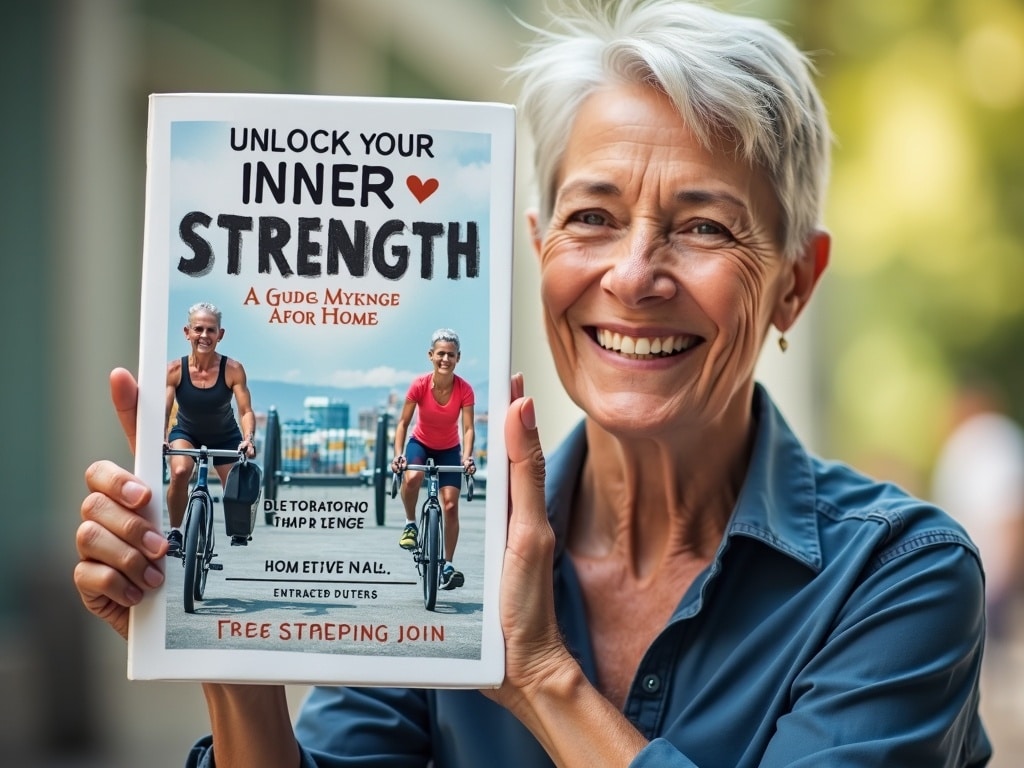
Unlock Your Inner Strength: A Guide to Strength Training for Seniors at Home
The fountain of youth? It might just be hiding in your living room. Forget complicated gym routines and intimidating weight racks. Strength training for seniors at home is a powerful, accessible way to reclaim vitality, boost your mood, and build a body that feels strong and capable. Imagine effortlessly carrying groceries, playing with your grandchildren, or simply feeling more confident and energized each day. This isn't just about lifting weights; it's about lifting your quality of life.
Why Strength Training at Home is a Game Changer for Seniors
As we age, we naturally lose muscle mass – a process called sarcopenia. This can lead to decreased strength, mobility, and balance, increasing the risk of falls and injuries. But here's the empowering truth: strength training can reverse this trend, no matter your age. And doing it at home offers a host of benefits tailored specifically to seniors:
- Convenience: No need to travel to a gym or adhere to class schedules. Your living room becomes your personal fitness studio.
- Comfort: Exercise in a familiar environment, free from the pressure of comparison.
- Cost-Effective: Ditch expensive gym memberships. Many effective exercises require minimal or no equipment.
- Personalized Pace: Work at your own rhythm, focusing on proper form and gradually increasing intensity.
- Reduced Risk of Injury: Home workouts allow for careful, controlled movements, minimizing the risk of overexertion.
Getting Started: Safety First
Before embarking on any new fitness routine, especially strength training, it's crucial to consult with your doctor. They can assess your overall health and identify any potential limitations or precautions you should take. Once you've received the green light, consider these essential safety guidelines:
Consult Your Doctor
Discuss your plans with your physician to rule out any contraindications. They may recommend specific exercises or modifications based on your individual needs.
Start Slow and Steady
Begin with bodyweight exercises or light resistance. Focus on mastering the correct form before adding weight or increasing repetitions. Remember, consistency is key. Even small, regular efforts will yield results over time.
Listen to Your Body
Pay attention to any pain or discomfort. Don't push yourself too hard, especially in the beginning. Rest when you need to, and don't hesitate to modify or skip an exercise if it feels uncomfortable.
Warm-Up and Cool-Down
Prepare your muscles for exertion with a 5-10 minute warm-up, such as light cardio (marching in place, arm circles) and dynamic stretching (leg swings, torso twists). Finish your workout with a 5-10 minute cool-down, including static stretching (holding stretches for 20-30 seconds).
Proper Form is Paramount
Maintaining proper form is crucial to prevent injuries and maximize the effectiveness of each exercise. If you're unsure about the correct form, watch videos, ask a physical therapist, or consult a certified personal trainer.
Essential Equipment for Home Strength Training
The beauty of strength training for seniors at home is that you don't need a fancy gym. You can achieve remarkable results with minimal and affordable equipment:
- Resistance Bands: These versatile bands provide varying levels of resistance, making them ideal for all fitness levels.
- Dumbbells: Start with light weights (1-3 pounds) and gradually increase as you get stronger.
- Ankle Weights: These can add challenge to leg exercises.
- Chair: A sturdy chair is essential for seated exercises and balance support.
- Water Bottle: Stay hydrated throughout your workout.
- Comfortable Clothing and Shoes: Choose attire that allows for freedom of movement and provides good support.
Effective Strength Training Exercises for Seniors at Home
Here are some simple yet effective exercises you can incorporate into your home strength training routine. Remember to start with 1-2 sets of 8-12 repetitions for each exercise, gradually increasing as you get stronger.
Chair Squats
This exercise strengthens your legs and glutes, improving your ability to stand up from a seated position.
- Sit on a sturdy chair with your feet flat on the floor, hip-width apart.
- Engage your core and lean forward slightly.
- Push through your heels to stand up, keeping your back straight.
- Slowly lower yourself back down to the chair, controlling the movement.
Wall Push-Ups
A modified version of traditional push-ups, this exercise strengthens your chest, shoulders, and triceps.
- Stand facing a wall, about arm's length away.
- Place your hands on the wall, shoulder-width apart.
- Lean towards the wall, bending your elbows until your chest almost touches the wall.
- Push back to the starting position.
Bicep Curls (with dumbbells or resistance bands)
This exercise targets your biceps muscles, improving your arm strength.
- Stand or sit with your feet flat on the floor.
- Hold a dumbbell in each hand, palms facing forward (or stand on a resistance band, holding the ends).
- Keeping your elbows close to your body, curl the weights up towards your shoulders.
- Slowly lower the weights back to the starting position.
Overhead Press (with dumbbells or resistance bands)
This exercise works your shoulders and upper back, improving posture and upper body strength.
- Stand or sit with your feet flat on the floor.
- Hold a dumbbell in each hand, palms facing forward, at shoulder height (or hold the ends of a resistance band).
- Press the weights straight up overhead, fully extending your arms.
- Slowly lower the weights back to the starting position.
Seated Rows (with resistance bands)
This exercise strengthens your back muscles, improving posture and counteracting the effects of prolonged sitting.
- Sit on a chair with your feet flat on the floor.
- Loop a resistance band around your feet, holding the ends in your hands.
- Keeping your back straight, pull the band towards your chest, squeezing your shoulder blades together.
- Slowly return to the starting position.
Leg Extensions (with ankle weights or resistance bands)
This exercise strengthens your quadriceps muscles, improving leg strength and stability.
- Sit on a chair with your feet flat on the floor.
- Attach ankle weights to your ankles (or loop a resistance band around your ankles, securing it to the chair).
- Extend one leg straight out in front of you, contracting your quadriceps.
- Slowly lower your leg back to the starting position.
- Repeat with the other leg.
Calf Raises
This exercise strengthens your calf muscles, improving ankle stability and balance.
- Stand with your feet flat on the floor, hip-width apart, holding onto a chair for balance if needed.
- Slowly rise up onto your toes, lifting your heels off the floor.
- Hold for a second, then slowly lower your heels back to the floor.
Creating a Personalized Strength Training Plan
Consistency is key to seeing results from strength training. Aim for at least two strength training sessions per week, with rest days in between to allow your muscles to recover. Here's a sample weekly schedule:
| Day | Activity |
|---|---|
| Monday | Strength Training (Full Body) |
| Tuesday | Rest or Light Cardio (walking, swimming) |
| Wednesday | Strength Training (Full Body) |
| Thursday | Rest or Light Cardio |
| Friday | Strength Training (Focus on core) |
| Saturday | Rest or Light Cardio |
| Sunday | Rest |
Remember to tailor this plan to your individual needs and preferences. You can adjust the exercises, sets, repetitions, and rest periods to suit your fitness level and goals.
Beyond the Physical: The Mental and Emotional Benefits
Strength training isn't just about building muscle; it also has profound mental and emotional benefits for seniors. Studies have shown that strength training can:
- Improve Mood and Reduce Depression: Exercise releases endorphins, which have mood-boosting effects.
- Boost Cognitive Function: Strength training can improve memory, attention, and overall cognitive performance.
- Increase Self-Esteem and Confidence: Feeling stronger and more capable can boost your self-image and confidence.
- Enhance Sleep Quality: Regular exercise can improve sleep patterns and reduce insomnia.
- Promote Social Interaction: Consider joining a senior fitness group or working out with a friend for added social benefits.
Staying Motivated and Making it a Habit
The key to long-term success with strength training is staying motivated and making it a sustainable habit. Here are some tips to help you stay on track:
- Set Realistic Goals: Start with small, achievable goals and gradually increase the challenge.
- Track Your Progress: Keep a record of your workouts and track your improvements over time.
- Find a Workout Buddy: Exercising with a friend can provide motivation and accountability.
- Reward Yourself: Celebrate your accomplishments with non-food rewards, such as a relaxing bath or a new book.
- Make it Enjoyable: Choose exercises that you enjoy and vary your routine to keep things interesting.
- Be Patient: Results take time and effort. Don't get discouraged if you don't see changes immediately.
Embrace the Power of Strength
Strength training for seniors at home is more than just exercise; it's an investment in your health, well-being, and independence. By incorporating strength training into your routine, you can unlock your inner strength, reclaim your vitality, and live a longer, healthier, and more fulfilling life. So, roll up your sleeves, grab your resistance bands, and get ready to discover the amazing benefits of strength training right in the comfort of your own home!