
The Heart of Connection: Exploring the Benefits of Senior Companion Programs
Imagine a world where loneliness doesn't define the twilight years, where every senior feels valued and connected. Senior companion programs are making this vision a reality, one heartwarming connection at a time. These programs offer more than just a friendly face; they provide a lifeline of support, combating isolation and enriching the lives of older adults. But what exactly is a senior companion program, and how does it create such a profound impact?
What is a Senior Companion Program?
At its core, a senior companion program is a structured initiative that pairs older adults with volunteers, also often seniors themselves, who provide companionship and assistance. These volunteers, known as senior companions, offer a range of services, all aimed at improving the quality of life for their assigned care recipients. Unlike home health aides who provide medical assistance, senior companions focus on emotional support, social interaction, and light assistance with daily tasks. This might include:
- Engaging in conversation and reminiscing
- Playing games or reading aloud
- Accompanying seniors on walks or errands
- Assisting with light household tasks, like meal preparation
- Providing transportation to appointments or social activities
The specific activities vary depending on the needs and preferences of the senior being served. The beauty of these programs lies in their flexibility and person-centered approach. The goal is to build a genuine connection between the senior companion and the care receiver, fostering a sense of belonging and purpose.
Who Benefits from Senior Companion Programs?
The benefits of senior companion programs extend to various individuals and groups within the community.
Seniors Receiving Companionship
The primary beneficiaries are, of course, the seniors who receive companionship. For many older adults, especially those living alone or experiencing mobility issues, social isolation can be a significant problem. Loneliness can lead to depression, anxiety, and a decline in physical health. Senior companion programs combat these issues by providing regular social interaction and emotional support. The presence of a friendly visitor can brighten their day, provide a sense of purpose, and improve their overall well-being.
Senior Companion Volunteers
Interestingly, the senior companion volunteers themselves also benefit greatly from the experience. Volunteering provides a sense of purpose and fulfillment, especially for retirees who may be seeking new ways to contribute to their community. Studies have shown that volunteering can improve mental and physical health, reduce stress, and increase social interaction. Being a senior companion offers a unique opportunity to share their wisdom and experience, make a tangible difference in someone's life, and combat feelings of loneliness or isolation they may be experiencing themselves [externalLink insert].
Families and Caregivers
Family members and caregivers also experience relief and peace of mind knowing that their loved one is receiving regular companionship and support. This can be particularly helpful for family caregivers who may be juggling work, family responsibilities, and caring for an aging parent or relative. The senior companion program provides an extra layer of support, allowing family caregivers to take breaks, attend to other responsibilities, and avoid caregiver burnout.
The Community as a Whole
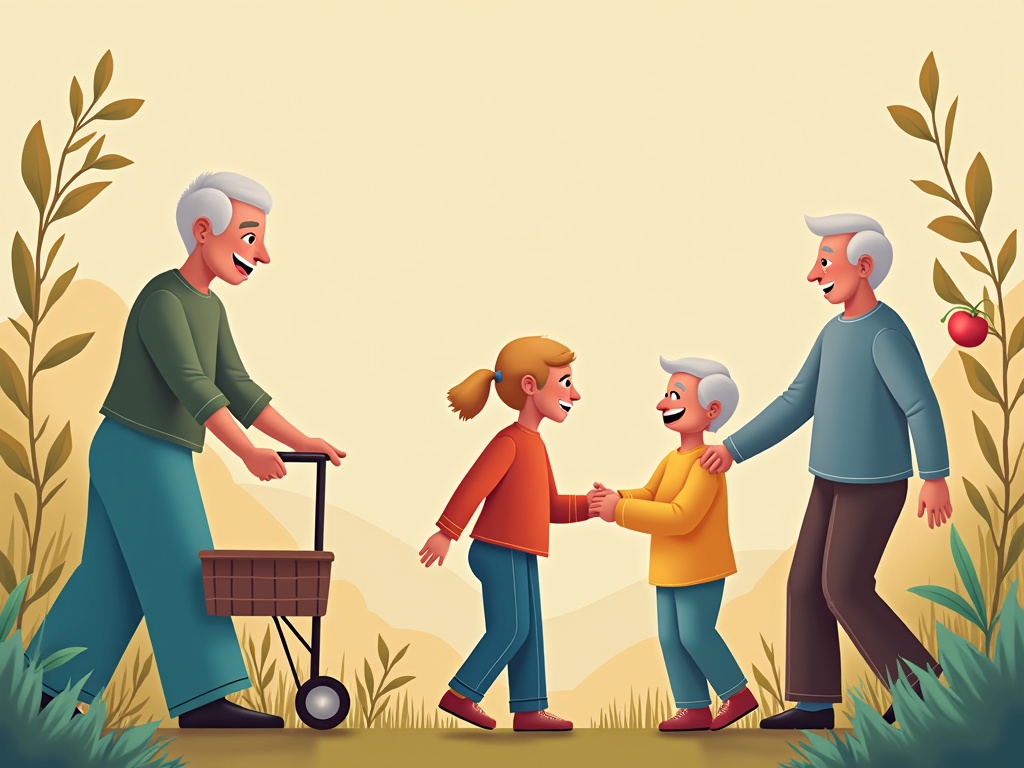
The positive impact of senior companion programs radiates throughout the entire community. By supporting older adults and promoting their well-being, these programs contribute to a more vibrant and connected society. They also reduce the burden on healthcare systems by preventing or delaying the need for more intensive care. Furthermore, senior companion programs foster intergenerational connections, as volunteers share their knowledge and experience with younger generations, and vice versa.
The Profound Impact of Companionship on Senior Well-being
Companionship is more than just a pleasant pastime; it's a fundamental human need that plays a vital role in maintaining physical and mental health, especially as we age. The absence of meaningful social connection can have devastating consequences, leading to increased risk of:
- Depression and anxiety
- Cognitive decline and dementia
- Heart disease and stroke
- Weakened immune system
- Increased mortality
Senior companion programs address these risks by providing regular social interaction, emotional support, and a sense of belonging. These interactions can stimulate the mind, boost mood, and improve overall health outcomes. The simple act of having someone to talk to, share a meal with, or go for a walk with can make a world of difference in the life of a senior.
Becoming a Senior Companion or Receiving Services
Senior companion programs are typically offered through non-profit organizations, community centers, and Area Agencies on Aging. If you're interested in becoming a senior companion volunteer, you can contact these organizations to learn about eligibility requirements, training, and volunteer opportunities. Generally, volunteers must be:
- Age 55 or older
- In good health
- Able to pass a background check
- Willing to commit to a certain number of volunteer hours per week
If you're interested in receiving senior companion services for yourself or a loved one, you can also contact these organizations to learn about eligibility requirements and the application process. Eligibility criteria may vary depending on the program, but generally, services are available to seniors who:
- Are age 60 or older
- Live in the service area
- Are experiencing social isolation or loneliness
- Need assistance with light daily tasks
The Future of Senior Companion Programs
As the senior population continues to grow, the need for senior companion programs will only increase. These programs offer a cost-effective and compassionate solution to address the challenges of social isolation and promote the well-being of older adults. To ensure the continued success of these programs, it's important to:
- Increase funding and resources
- Raise awareness of the benefits of senior companion programs
- Recruit and train more volunteers
- Expand services to reach more seniors in need
- Embrace innovation and technology to enhance program delivery
By investing in senior companion programs, we can create a society that values and supports its older adults, ensuring that they have the opportunity to live fulfilling and connected lives. These programs are more than just a service; they are a testament to the power of human connection and the importance of community. Let's continue to nurture these vital connections and build a brighter future for all seniors.