

Reaching New Heights: Setting Achievable Fitness Goals for a 70-Year-Old
Seventy years young! It’s a milestone, a testament to a life well-lived. But it’s also a time when focusing on physical well-being becomes paramount. Forget slowing down; this is about strategically adapting and thriving. Setting realistic and engaging fitness goals can transform your 70s into a decade of vitality, strength, and joyful movement. But where do you start? What’s safe? What’s effective? Let's dive into crafting a fitness plan that honors your body, celebrates your age, and empowers you to live your best life.
Why Fitness Matters More Than Ever at 70
The fountain of youth might be a myth, but consistent exercise comes pretty darn close. As we age, the benefits of staying active become increasingly profound. Think of it as an investment in your independence, your happiness, and your overall quality of life. Here’s why:
- Preserving Muscle Mass: Sarcopenia, the age-related loss of muscle mass, can lead to weakness and frailty. Strength training becomes critical to combat this decline, helping you maintain your ability to perform everyday tasks with ease.
- Boosting Bone Density: Osteoporosis is a significant concern as we age, increasing the risk of fractures. Weight-bearing exercises and resistance training can help strengthen bones and reduce this risk.
- Improving Balance and Coordination: Falls are a leading cause of injury in older adults. Exercises that focus on balance and coordination can significantly reduce the risk of falling and maintain your stability.
- Enhancing Cardiovascular Health: Heart disease remains a major health concern. Regular aerobic exercise strengthens your heart and improves circulation, reducing the risk of heart disease, stroke, and other cardiovascular problems.
- Sharpening Cognitive Function: Exercise isn’t just good for your body; it’s also brain food. Studies show that physical activity can improve cognitive function, memory, and attention span, and may even reduce the risk of dementia and Alzheimer's disease.
- Elevating Mood and Reducing Stress: Exercise releases endorphins, natural mood boosters that can help combat stress, anxiety, and depression. Staying active can also improve sleep quality and boost self-esteem.
Crafting Your Personalized Fitness Plan: A Step-by-Step Approach
The key to successful fitness at any age, but especially at 70, is personalization. There's no one-size-fits-all approach. It’s essential to consider your current fitness level, any existing health conditions, and your personal preferences. Here’s a structured way to build your plan:
1. Consult Your Doctor
This is non-negotiable. Before starting any new exercise program, talk to your doctor. They can assess your overall health, identify any potential risks, and provide specific recommendations based on your individual needs and limitations. Discuss any medications you’re taking, as some medications can affect your exercise tolerance or increase your risk of injury.
2. Set Realistic and Achievable Goals
Forget chasing the fitness levels of your youth. Focus on what you can realistically achieve and what will bring you the most benefit. Instead of aiming to run a marathon, perhaps aim to walk briskly for 30 minutes, three times a week. Instead of trying to lift heavy weights, focus on mastering bodyweight exercises with proper form. Here are some examples of realistic fitness goals for a 70-year-old:
- Increase daily steps: Aim for a specific number of steps each day, gradually increasing the target as you become more comfortable. Use a pedometer or fitness tracker to monitor your progress.
- Improve balance and stability: Practice balance exercises such as standing on one leg or walking heel-to-toe.
- Enhance flexibility and range of motion: Incorporate stretching exercises into your daily routine to improve flexibility and reduce stiffness.
- Build strength: Perform resistance training exercises using light weights, resistance bands, or bodyweight to strengthen major muscle groups.
- Boost cardiovascular health: Engage in moderate-intensity aerobic exercise such as walking, swimming, or cycling.
3. Embrace the Four Pillars of Fitness
A well-rounded fitness program includes four key components: aerobic exercise, strength training, balance exercises, and flexibility training.
Aerobic Exercise
Aerobic exercise, also known as cardio, gets your heart pumping and improves your cardiovascular health. Aim for at least 150 minutes of moderate-intensity aerobic exercise per week, or 75 minutes of vigorous-intensity aerobic exercise. If that sounds daunting, break it down into smaller chunks of time, such as 10-15 minute sessions throughout the day.
Examples:
- Walking: A simple and accessible exercise that can be done anywhere, anytime.
- Swimming: A low-impact exercise that’s gentle on the joints.
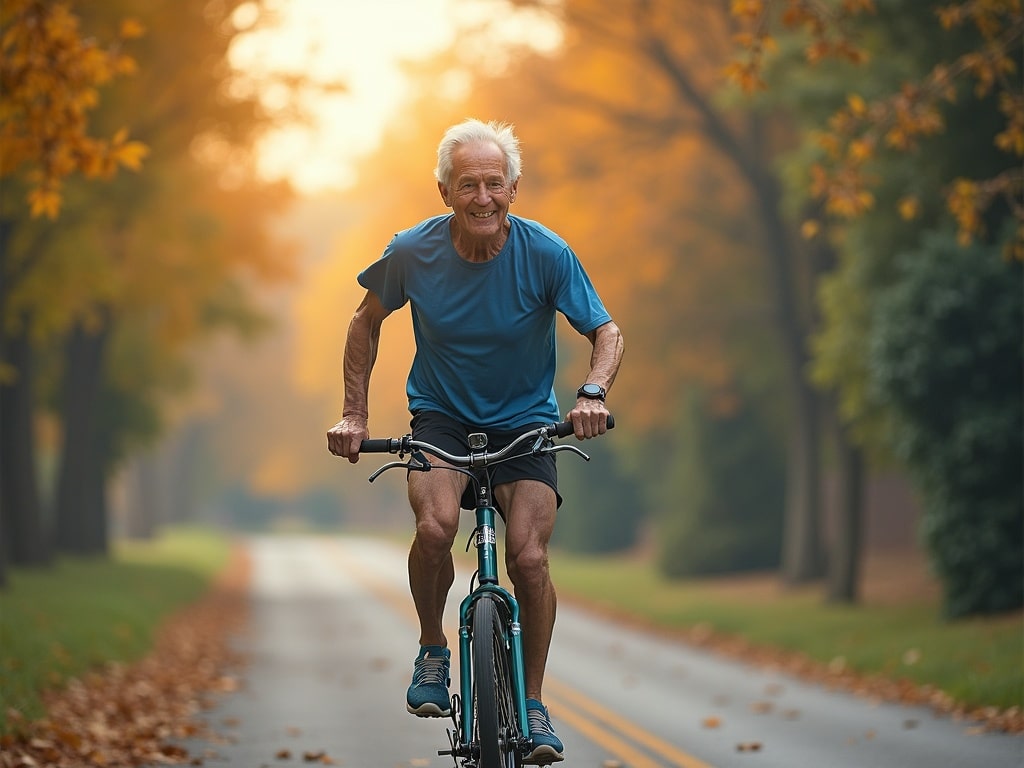
- Cycling: Another low-impact option that can be done outdoors or indoors on a stationary bike.
- Water Aerobics: A fun and social way to get a cardiovascular workout in the water.
Strength Training
Strength training helps build and maintain muscle mass, which is essential for strength, mobility, and overall health. Aim to strength train at least two days per week, working all major muscle groups (legs, hips, back, chest, shoulders, and arms).
Examples:
- Bodyweight Exercises: Squats, lunges, push-ups (modified on a wall or knees), and planks are excellent options that require no equipment.
- Resistance Bands: Versatile and inexpensive, resistance bands can be used to target all major muscle groups.
- Light Weights: Start with very light weights (1-3 pounds) and gradually increase the weight as you get stronger.
- Chair Exercises: Many strength training exercises can be modified to be performed while seated in a chair, making them accessible for individuals with limited mobility.
Balance Exercises
Balance exercises are crucial for preventing falls and maintaining stability. Incorporate balance exercises into your daily routine, even if it’s just for a few minutes each day. It's important to have something to hold onto when you begin.
Examples:
- Standing on One Leg: Hold onto a chair or wall for support, and gradually increase the amount of time you can stand on one leg without assistance.
- Heel-to-Toe Walking: Walk in a straight line, placing the heel of one foot directly in front of the toes of the other foot.
- Tai Chi: A gentle form of exercise that improves balance, coordination, and flexibility.
Flexibility Training
Flexibility training helps improve range of motion, reduce stiffness, and prevent injuries. Stretch all major muscle groups at least two to three times per week, holding each stretch for 20-30 seconds. Remember to breathe deeply and avoid bouncing.
Examples:
- Static Stretching: Holding a stretch in a stationary position. Examples include hamstring stretches, calf stretches, and shoulder stretches.
- Yoga: A mind-body practice that combines physical postures, breathing techniques, and meditation to improve flexibility, strength, and balance.
- Pilates: A form of exercise that focuses on core strength, flexibility, and posture.
4. Listen to Your Body and Adapt
Pay attention to your body's signals and adjust your workout accordingly. Don't push yourself too hard, especially when you're just starting out. It's okay to modify exercises or take rest days when needed. If you experience any pain, stop the exercise and consult with your doctor or a physical therapist.
5. Make it Enjoyable and Social
The more you enjoy your workouts, the more likely you are to stick with them. Find activities that you find fun and engaging. Consider joining a group fitness class, walking with a friend, or taking up a new hobby like dancing or gardening. Social interaction can also provide motivation and support.
Modifications and Considerations for Specific Conditions
Many 70-year-olds may have pre-existing health conditions that require modifications to their fitness plan. Here are some common conditions and how to adapt your workouts:
- Arthritis: Choose low-impact exercises like swimming, water aerobics, or cycling. Avoid high-impact activities that can put stress on the joints. Focus on range-of-motion exercises and gentle stretching to maintain joint flexibility.
- Heart Disease: Consult your doctor before starting any exercise program. Start slowly and gradually increase the intensity and duration of your workouts. Monitor your heart rate and blood pressure during exercise. Avoid exercises that involve holding your breath or straining, as these can increase blood pressure.
- Diabetes: Exercise can help improve blood sugar control. Choose a variety of aerobic and strength training exercises. Monitor your blood sugar levels before, during, and after exercise. Wear comfortable shoes and check your feet regularly for any blisters or sores.
- Osteoporosis: Focus on weight-bearing exercises and resistance training to strengthen bones. Avoid high-impact activities that could lead to fractures. Talk to your doctor or a physical therapist about safe exercises for osteoporosis.
- Balance Issues: Work with a physical therapist to develop a personalized balance training program. Use assistive devices such as canes or walkers if needed. Exercise in a safe environment with plenty of support.
Nutrition: Fueling Your Fitness Journey
Exercise is only one piece of the puzzle. Proper nutrition is equally important for supporting your fitness goals and maintaining overall health. Focus on a balanced diet that includes plenty of fruits, vegetables, whole grains, lean protein, and healthy fats. Here are some key nutritional considerations for a 70-year-old:
- Protein: Essential for building and repairing muscle tissue. Aim for at least 1 gram of protein per kilogram of body weight per day. Good sources of protein include lean meats, poultry, fish, eggs, beans, lentils, and tofu.
- Calcium and Vitamin D: Important for bone health. Aim for 1200 mg of calcium and 800 IU of vitamin D per day. Good sources of calcium include dairy products, leafy green vegetables, and fortified foods. Vitamin D can be obtained from sunlight, fortified foods, and supplements.
- Fiber: Helps regulate blood sugar levels, lower cholesterol, and promote digestive health. Aim for at least 25 grams of fiber per day. Good sources of fiber include fruits, vegetables, whole grains, and beans.
- Hydration: Drink plenty of water throughout the day to stay hydrated. Dehydration can lead to fatigue, dizziness, and other health problems.
Staying Motivated and on Track
Staying motivated and consistent with your fitness plan can be challenging, especially as you get older. Here are some tips for keeping your momentum going:
- Find a workout buddy: Exercising with a friend can provide motivation, support, and accountability.
- Track your progress: Keep a record of your workouts and track your progress over time. This can help you stay motivated and see how far you've come.
- Reward yourself: Set small goals and reward yourself when you achieve them. This could be anything from a new workout outfit to a relaxing massage.
- Be patient: It takes time to see results. Don't get discouraged if you don't see progress immediately. Just keep showing up and putting in the effort.
- Celebrate your successes: Acknowledge and celebrate your accomplishments, no matter how small. You're doing something amazing for your health and well-being!
Embrace the Journey: Fitness is a Lifelong Pursuit
Reaching 70 doesn't mean the end of physical challenges; it simply marks a new chapter. It's an invitation to redefine your fitness goals, adapt your approach, and appreciate the incredible strength and resilience of your body. By listening to your body, setting realistic goals, and making fitness a joyful part of your daily routine, you can unlock a new level of vitality and well-being and thrive in your golden years. So, lace up those shoes, get moving, and discover the amazing things your body can still do!