

Memory Improvement Techniques for Seniors: A Comprehensive Guide
Imagine sitting down to a friendly game of cards, only to realize you can't quite recall the rules of your favorite game. Or perhaps you're eager to share a cherished memory with family, but the details remain frustratingly out of reach. Memory lapses can be a common concern as we age, but the good news is that our brains are remarkably adaptable. There are numerous memory improvement techniques that can help seniors maintain sharp minds and continue enjoying life to the fullest. Let's explore some of the most effective strategies.
Understanding Memory and Aging
It's important to first understand what happens to memory as we age. It's a myth that significant memory loss is an inevitable part of aging. While some cognitive changes are normal, such as slower processing speed or difficulty recalling names, these changes don't necessarily indicate a serious problem.
However, conditions like Alzheimer's disease and other forms of dementia can cause significant memory decline. It’s crucial to distinguish between normal age-related memory changes and those that may signal a more serious underlying condition. Consulting with a healthcare professional is always recommended if you have concerns about memory loss.
Normal Age-Related Memory Changes:
- Slower recall speed.
- Occasional difficulty finding the right word.
- Forgetting where you placed things.
- Difficulty multitasking.
Lifestyle Adjustments for Memory Improvement
Our daily habits have a significant impact on brain health and memory function. Making simple adjustments to your lifestyle can lead to noticeable improvements in memory.
Regular Physical Exercise
Physical activity isn't just good for your body; it's also excellent for your brain. Exercise increases blood flow to the brain, which can help improve cognitive function and memory. Aim for at least 30 minutes of moderate-intensity exercise most days of the week. Activities like walking, swimming, cycling, and dancing are all great options.
Maintain a Healthy Diet
A balanced diet rich in fruits, vegetables, whole grains, and lean protein is essential for brain health. Certain nutrients, such as omega-3 fatty acids, antioxidants, and B vitamins, are particularly important for memory. Incorporate foods like fatty fish (salmon, tuna), blueberries, nuts, and leafy green vegetables into your diet. Limit your intake of processed foods, sugary drinks, and unhealthy fats, as these can negatively impact cognitive function.
Adequate Sleep
Sleep is crucial for consolidating memories and allowing the brain to rest and repair itself. Aim for 7-8 hours of quality sleep each night. Establish a regular sleep schedule, create a relaxing bedtime routine, and ensure your bedroom is dark, quiet, and cool.
Stress Management
Chronic stress can have a detrimental impact on memory and cognitive function. Find healthy ways to manage stress, such as practicing relaxation techniques like meditation, deep breathing exercises, or yoga. Engaging in enjoyable hobbies and spending time with loved ones can also help reduce stress levels.
Mental Exercises and Cognitive Training
Just like physical exercise strengthens your body, mental exercises can strengthen your brain and improve memory.
Brain Training Games
Numerous brain training apps and games are designed to challenge your cognitive skills, including memory, attention, and processing speed. These games can be a fun and engaging way to keep your mind sharp. Look for reputable apps that are based on scientific research.
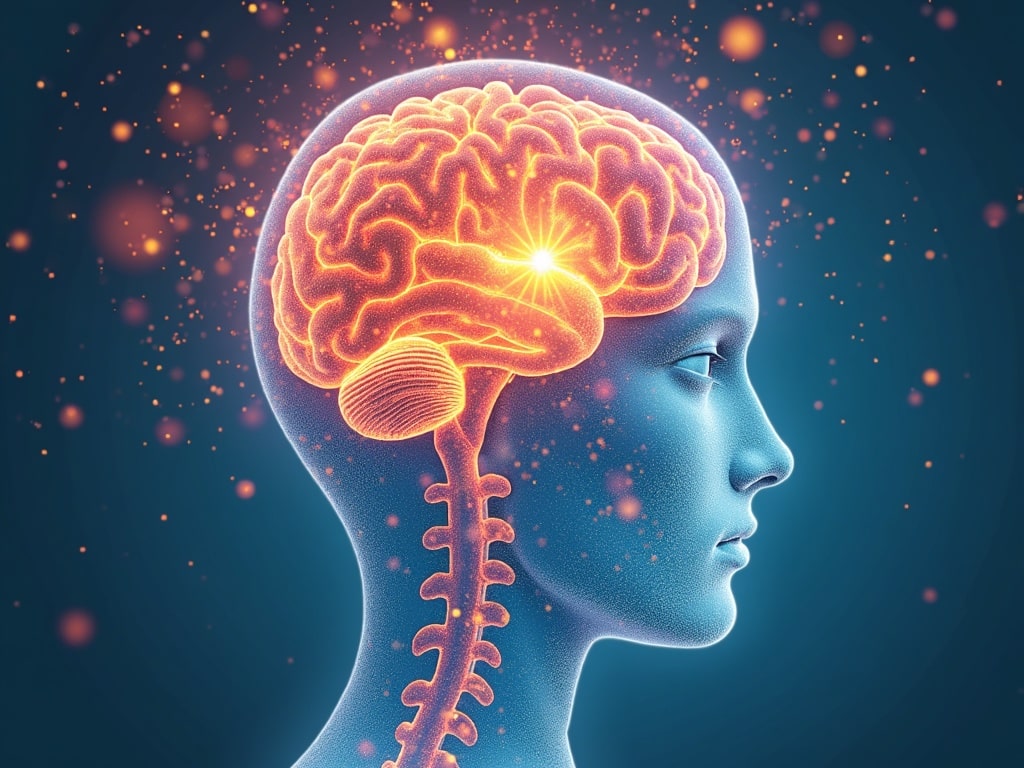
"Unlock the Secrets to Boosting Memory and Cognitive Function for Enhanced Mental Clarity and Focus"
Puzzles and Word Games
Activities like crossword puzzles, Sudoku, and jigsaw puzzles can help improve memory and problem-solving skills. These games require you to focus, remember information, and think critically, all of which can benefit cognitive function.
Learning New Skills
Learning a new skill, whether it's playing a musical instrument, learning a new language, or taking up a new hobby, can stimulate the brain and create new neural connections. This can help improve memory and cognitive flexibility.
Specific Memory Improvement Techniques
In addition to lifestyle adjustments and mental exercises, several specific memory improvement techniques can be particularly effective for seniors.
Mnemonics
Mnemonics are memory aids that help you remember information by associating it with something easier to recall. There are various types of mnemonics, including:
- Acronyms: Using the first letter of each word to create a new word or phrase (e.g., ROY G. BIV for the colors of the rainbow).
- Rhymes: Creating rhymes or songs to remember information (e.g., Thirty days hath September…).
- Visual Imagery: Creating vivid mental images to associate with the information you want to remember.
- Chunking: Breaking down large amounts of information into smaller, more manageable chunks. This is especially helpful for remembering phone numbers or lists.
The Method of Loci (Memory Palace)
The method of loci, also known as the memory palace technique, involves creating a mental image of a familiar place, such as your home, and then associating the items you want to remember with specific locations within that place. To recall the items, you simply mentally walk through your memory palace and see the items in their respective locations.
Spaced Repetition
Spaced repetition involves reviewing information at increasing intervals over time. This technique takes advantage of the spacing effect, which shows that we remember information better when we review it periodically rather than cramming it all at once. Flashcards are a useful tool for spaced repetition. Services like Anki make it easier to plan reviews.
Association
Association involves linking new information to something you already know. This makes the new information more meaningful and easier to remember. For example, if you meet someone named Rose, you might associate her with a rose flower in your mind.
Assistive Devices and Memory Aids
Sometimes, despite our best efforts, memory lapses can still occur. In these cases, assistive devices and memory aids can be helpful.
Calendars and Planners
Using a calendar or planner can help you keep track of appointments, important dates, and tasks. Choose a format that works best for you, whether it's a paper planner, a digital calendar on your smartphone, or a wall calendar.
Medication Organizers
If you take multiple medications, a medication organizer can help you keep track of which medications to take and when. These organizers come in various forms, from simple pill boxes to more sophisticated electronic devices.
Reminder Apps and Alarms
Numerous reminder apps and alarms can help you remember important tasks, appointments, or medications. These apps allow you to set reminders with customizable alerts.
Note-Taking
Carrying a notebook or using a note-taking app on your smartphone can help you jot down important information, ideas, or reminders. Reviewing your notes regularly can help reinforce your memory.
The Importance of Social Engagement
Social isolation and loneliness can negatively impact cognitive function and memory. Engaging in social activities, spending time with loved ones, and participating in community events can help keep your mind sharp and improve your overall well-being.
Join Clubs and Organizations
Joining clubs or organizations that align with your interests can provide opportunities to socialize, learn new things, and stay mentally active.
Volunteer
Volunteering can be a rewarding way to give back to your community, meet new people, and stay mentally engaged.
Stay Connected with Family and Friends
Make an effort to stay connected with family and friends, whether it's through phone calls, video chats, or in-person visits.
When to Seek Professional Help
While many memory lapses are a normal part of aging, it's important to be aware of the signs that may indicate a more serious problem. If you experience any of the following symptoms, consult with a healthcare professional:
- Frequent memory loss that disrupts daily life.
- Difficulty with familiar tasks.
- Confusion about time or place.
- Problems with language.
- Changes in mood or behavior.
- Poor judgment.
A healthcare professional can evaluate your memory and cognitive function, rule out any underlying medical conditions, and recommend appropriate treatment options. Early diagnosis and intervention are crucial for managing conditions like Alzheimer's disease and other forms of dementia.
Final Thoughts
Memory improvement for seniors is a multifaceted endeavor that combines lifestyle adjustments, mental exercises, memory techniques, and assistive devices. By incorporating these strategies into your daily routine, you can maintain a sharp mind, preserve cherished memories, and continue enjoying a fulfilling life. Remember that consistency is key. The more you practice these techniques, the more effective they will become. So, embrace these strategies and embark on a journey toward a healthier, sharper mind. Every small step counts in preserving and enhancing your cognitive well-being.