
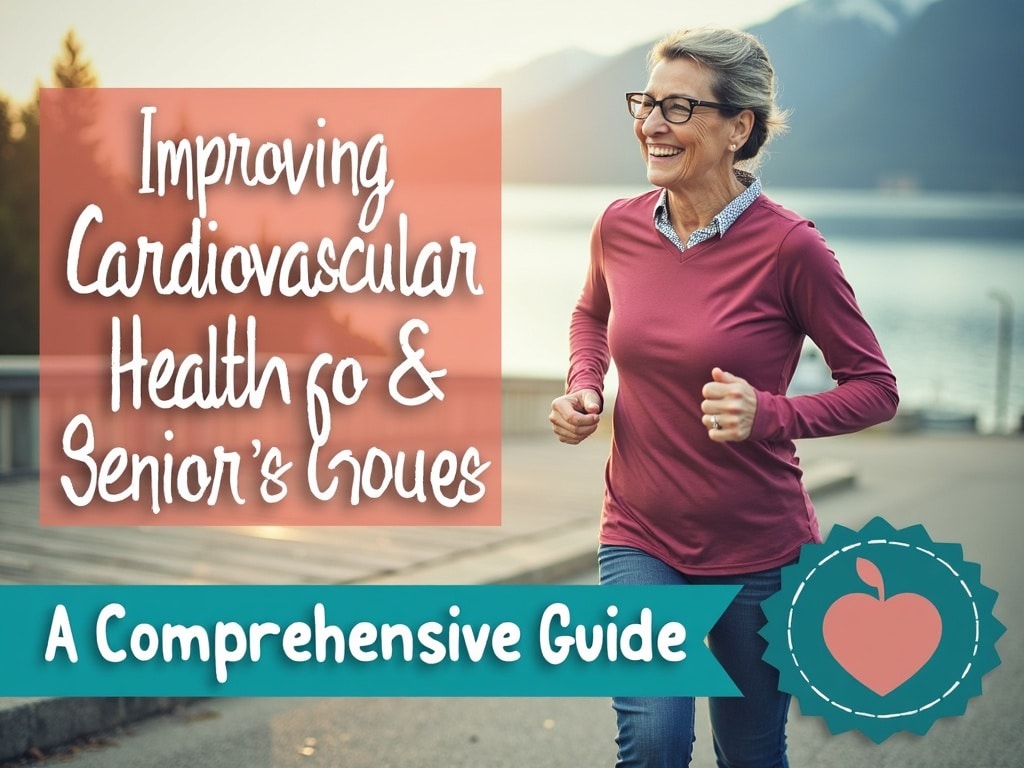
Improving Cardiovascular Health for Seniors: A Comprehensive Guide
Imagine a life where every morning begins with boundless energy, where daily activities feel effortless, and where you have the vitality to enjoy time with loved ones. For seniors, maintaining and improving cardiovascular health is the cornerstone of achieving this vibrant, fulfilling life. It's not about running marathons; it's about empowering yourself with the strength and resilience to live life to the fullest. This guide provides practical, actionable strategies to help seniors enhance their cardiovascular health and embrace a healthier, more active future.
Understanding Cardiovascular Health in Seniors
Cardiovascular health refers to the well-being of your heart and blood vessels. As we age, our cardiovascular system naturally undergoes changes. Arteries can stiffen and narrow, heart muscles can weaken, and the risk of conditions like high blood pressure, heart disease, and stroke increases. However, these changes don't have to define your health. By understanding the key components of cardiovascular health and adopting proactive strategies, seniors can significantly mitigate these risks and improve their overall quality of life. The components include:
- Heart Function: The heart's ability to pump blood efficiently throughout the body.
- Blood Pressure: The force of blood against artery walls; keeping it within a healthy range is crucial.
- Cholesterol Levels: Maintaining healthy levels of good (HDL) and bad (LDL) cholesterol.
- Blood Vessel Health: Ensuring arteries and veins are clear and flexible for optimal blood flow.
Why is Cardiovascular Health Important for Seniors?
Prioritizing cardiovascular health offers a multitude of benefits for seniors. These include:
- Increased Energy Levels: A healthier heart pumps blood more efficiently, delivering more oxygen to cells and boosting energy.
- Reduced Risk of Chronic Diseases: Lowering the risk of heart disease, stroke, type 2 diabetes, and certain types of dementia.
- Improved Cognitive Function: Good blood flow to the brain supports memory, focus, and overall cognitive health.
- Enhanced Mobility and Independence: Strengthening muscles and joints, making it easier to perform daily activities.
- Better Mood and Mental Well-being: Exercise releases endorphins, which have mood-boosting effects and reduce stress.
- Longer, Healthier Life: Investing in cardiovascular health can add years to your life and improve the quality of those years.
Effective Strategies for Improving Cardiovascular Health
Improving cardiovascular health is achievable through a combination of lifestyle modifications, including regular exercise, a heart-healthy diet, stress management, and regular medical check-ups. Let's explore these strategies in detail.
1. Embrace Regular Physical Activity
Exercise is a cornerstone of cardiovascular health. It strengthens the heart muscle, improves blood circulation, and helps maintain a healthy weight. However, it's essential to choose activities that are safe and enjoyable for your fitness level.
- Aerobic Exercise: Activities that elevate your heart rate, such as:
- Walking: A simple, accessible exercise that can be easily incorporated into your daily routine. Aim for at least 30 minutes of brisk walking most days of the week.
- Swimming: A low-impact exercise that's gentle on joints.
- Cycling: Another low-impact option that can be done indoors or outdoors.
- Dancing: An enjoyable way to get your heart pumping and improve coordination.
- Strength Training: Building muscle mass improves metabolism and supports overall cardiovascular health.
- Light Weights: Using dumbbells or resistance bands to strengthen arms, legs, and core.
- Bodyweight Exercises: Squats, lunges, and push-ups (modified if needed) can be effective strength training exercises.
- Flexibility and Balance Exercises: Yoga and Tai Chi can improve flexibility, balance, and coordination, reducing the risk of falls.
Important Considerations:
- Consult your doctor: Before starting any new exercise program, consult your doctor to ensure it's safe for you.
- Start slowly: Gradually increase the intensity and duration of your workouts.
- Listen to your body: Rest when you need to and don't push yourself too hard.
- Find an activity you enjoy: This will make it easier to stick with your exercise routine.
2. Adopt a Heart-Healthy Diet
What you eat plays a significant role in your cardiovascular health. A heart-healthy diet is low in saturated and trans fats, cholesterol, sodium, and added sugars, and rich in fruits, vegetables, whole grains, lean protein, and healthy fats.
- Focus on Fruits and Vegetables: Aim for at least five servings per day. They're packed with vitamins, minerals, and antioxidants that protect your heart.
- Choose Whole Grains: Opt for whole-wheat bread, brown rice, and oats instead of refined grains.
- Select Lean Protein Sources: Fish, poultry (skinless), beans, and lentils are excellent choices.
- Incorporate Healthy Fats: Include sources like avocados, nuts, seeds, and olive oil.
- Limit Saturated and Trans Fats: Found in red meat, processed foods, and fried foods.
- Reduce Sodium Intake: Avoid processed foods, limit added salt, and use herbs and spices to flavor your food.
- Stay Hydrated: Drink plenty of water throughout the day.
Sample Meal Plan:
| Meal | Example |
|---|---|
| Breakfast | Oatmeal with berries and nuts |
| Lunch | Salad with grilled chicken or fish |
| Dinner | Baked salmon with roasted vegetables and quinoa |
| Snacks | Fruits, vegetables with hummus, or a handful of nuts |
3. Manage Stress Effectively
Chronic stress can negatively impact your cardiovascular health by raising blood pressure and increasing the risk of heart disease. Finding healthy ways to manage stress is crucial for seniors.
- Mindfulness and Meditation: Practicing mindfulness and meditation can help calm the mind and reduce stress hormones.
- Yoga and Tai Chi: These gentle exercises combine physical activity with relaxation techniques.
- Spending Time in Nature: Studies have shown that spending time in nature can lower blood pressure and reduce stress.
- Social Connection: Connecting with friends and family can provide emotional support and reduce feelings of loneliness and isolation.
- Hobbies and Activities: Engaging in enjoyable hobbies and activities can provide a sense of purpose and reduce stress.
4. Monitor Your Health and Consult Your Doctor
Regular medical check-ups are essential for monitoring your cardiovascular health and identifying any potential problems early on.
- Blood Pressure Monitoring: Have your blood pressure checked regularly and work with your doctor to manage it if it's high.
- Cholesterol Screening: Get your cholesterol levels checked regularly and follow your doctor's recommendations for managing them.
- Regular Check-ups: Schedule regular check-ups with your doctor to discuss your cardiovascular health and any concerns you may have.
- Medication Management: If you're taking medication for a heart condition, make sure to take it as prescribed and discuss any side effects with your doctor.

Specific Cardiovascular Exercises for Seniors
Let's dive deeper into some specific exercises that are particularly beneficial for seniors looking to improve their cardiovascular health:
Walking
Walking is arguably the best starting point for most seniors. It's low-impact, easily accessible, and can be tailored to individual fitness levels. Start with short, manageable walks and gradually increase the duration and intensity. Walking with a friend can also provide motivation and social interaction.
Water Aerobics
Water aerobics is another excellent low-impact option that's gentle on the joints. The buoyancy of the water supports your weight, reducing stress on your knees, hips, and ankles. Water aerobics provides a full-body workout, improving cardiovascular health, strength, and flexibility. Many community centers and gyms offer water aerobics classes specifically designed for seniors.
Chair Exercises
For seniors with limited mobility, chair exercises can be a great way to improve cardiovascular health and strength. These exercises can be done from the comfort of a chair and can be modified to suit individual needs and abilities. Examples include seated marching, arm raises, and leg extensions. Numerous online resources and videos demonstrate effective chair exercises for seniors.
Dancing
Dancing is a fun and social way to get your heart pumping. Whether it's ballroom dancing, line dancing, or even just dancing in your living room, it's a great way to improve cardiovascular health, coordination, and balance and it helps with memory. Dancing is also a great mood booster and can help reduce stress and improve overall well-being.
Overcoming Challenges and Staying Motivated
Improving cardiovascular health can be challenging, especially for seniors who may be dealing with physical limitations, chronic pain, or other health issues. Here are some tips for overcoming challenges and staying motivated:
- Set Realistic Goals: Don't try to do too much too soon. Start with small, achievable goals and gradually increase the intensity and duration of your activities.
- Find a Support System: Enlist the help of friends, family members, or a healthcare professional to support you on your journey.
- Track Your Progress: Keeping track of your progress can help you stay motivated and see how far you've come.
- Reward Yourself: Celebrate your successes, no matter how small.
- Be Patient: It takes time to see results, so don't get discouraged if you don't see progress immediately.
- Focus on the Benefits: Remind yourself of the many benefits of improving your cardiovascular health, such as increased energy, reduced risk of disease, and improved quality of life.
The Power of a Positive Mindset
Ultimately, improving cardiovascular health is about more than just exercise and diet; it's about adopting a positive mindset and believing in your ability to make a change. As a senior, you have a wealth of wisdom and experience to draw upon. Embrace this chapter of your life with optimism and determination, and remember that it's never too late to improve your health and well-being. Take control of your cardiovascular health, and unlock a future filled with energy, vitality, and joy. Your heart will thank you for it.