
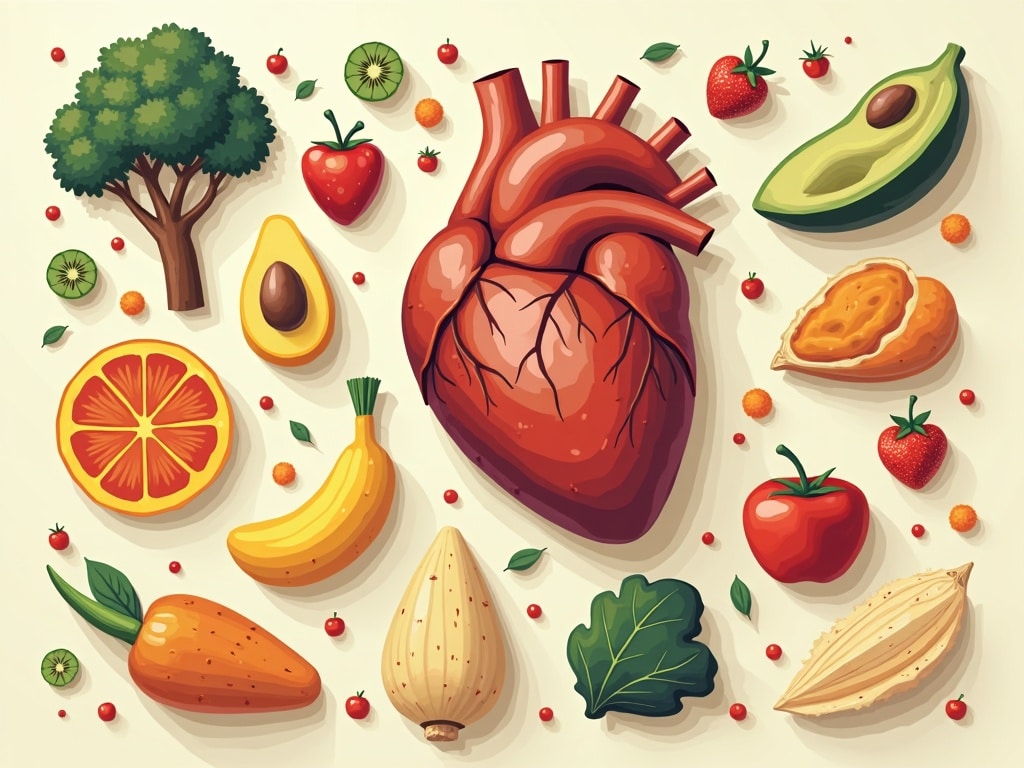
Foods to Avoid for a Healthy Heart: A Comprehensive Guide
Imagine your heart as a finely tuned engine, relentlessly powering your life's journey. Just like any engine, it requires the right fuel to function optimally. However, consistently feeding it the wrong substances can lead to sputtering performance, breakdowns, and ultimately, a shortened lifespan. When it comes to heart health, understanding which foods to avoid is just as crucial as knowing which ones to embrace. This guide will navigate you through the dietary pitfalls that can compromise your cardiovascular well-being, empowering you to make informed choices and pave the way for a healthier heart.
The Culprits: Unveiling Heart-Unhealthy Foods
Certain food categories are notorious for their detrimental effects on heart health. These foods often contribute to elevated cholesterol levels, high blood pressure, inflammation, and other risk factors for heart disease. Let's take a closer look at the primary offenders:
1. Saturated Fats: The Stealthy Saboteurs
Saturated fats, primarily found in animal products, have long been associated with increased LDL (bad) cholesterol levels. While the impact of saturated fats is a complex and ongoing area of research, moderation remains key. Foods high in saturated fats include:
- Red meat: Beef, lamb, and pork, especially fatty cuts.
- Processed meats: Sausages, bacon, hot dogs, and deli meats.
- Full-fat dairy: Whole milk, cheese, butter, and ice cream.
- Certain oils: Coconut oil and palm oil.
While completely eliminating saturated fats isn't necessary (or even practical), consciously reducing your intake can significantly benefit your heart. Choose lean protein sources like poultry and fish, opt for low-fat dairy products, and use healthier cooking oils like olive oil.
2. Trans Fats: The Double Threat
Trans fats are arguably the most damaging type of fat for heart health. They not only raise LDL cholesterol but also lower HDL (good) cholesterol, creating a double whammy. Trans fats are often found in:
- Processed foods: Commercially baked goods (cakes, cookies, pies), fried foods, and snack foods.
- Margarine and shortening: Some brands may still contain trans fats.
Fortunately, due to regulations, trans fats are becoming less prevalent in the food supply. However, it's crucial to carefully read food labels and avoid products listing partially hydrogenated oil as an ingredient. Even small amounts of trans fats can negatively impact your heart health.
3. Sodium: The Silent Pressure Booster
Excessive sodium intake is a major contributor to high blood pressure, a leading risk factor for heart disease and stroke. Many people consume far more sodium than the recommended daily limit of 2,300 milligrams. Major sources of sodium include:
- Processed foods: Canned soups, frozen meals, packaged snacks, and processed meats.
- Restaurant meals: Fast food and many restaurant dishes are loaded with sodium.
- Table salt: Adding salt to your food can quickly increase your sodium intake.
To reduce your sodium intake, prioritize cooking at home using fresh ingredients. Read food labels carefully and choose low-sodium options. Experiment with herbs and spices to flavor your food instead of relying on salt.
4. Added Sugars: The Sweet Deception
While a little sweetness can be enjoyable, excessive added sugar intake can wreak havoc on your heart health. Added sugars contribute to weight gain, insulin resistance, and inflammation, all of which increase the risk of heart disease. Common sources of added sugars include:
- Sugary drinks: Soda, juice, sports drinks, and sweetened coffee and tea.
- Processed foods: Candy, cookies, cakes, pastries, and sweetened yogurt.
- Breakfast cereals: Many cereals are loaded with added sugars.
Read food labels carefully and choose products with minimal added sugars. Opt for naturally sweet options like fruits and limit your consumption of sugary beverages and processed foods.
5. Refined Carbohydrates: The Energy Crashers
Refined carbohydrates, such as white bread, white rice, and pasta made from white flour, are quickly digested and can lead to rapid spikes in blood sugar levels. These spikes can contribute to insulin resistance, weight gain, and inflammation, increasing the risk of heart disease. Choose whole grains whenever possible, such as whole wheat bread, brown rice, and quinoa. These options provide more fiber and nutrients, leading to a more gradual and sustained release of energy.

Beyond the Usual Suspects: Less Obvious Heart-Unhealthy Foods
While the food categories mentioned above are widely recognized as detrimental to heart health, some less obvious culprits can also contribute to cardiovascular problems:
1. Certain Shellfish: A Cholesterol Conundrum
While shellfish can be a good source of protein and omega-3 fatty acids, some varieties are also high in cholesterol. Shrimp, for example, is relatively high in cholesterol compared to other seafood options. While dietary cholesterol has less of an impact on blood cholesterol levels than saturated and trans fats for most people, individuals with certain genetic predispositions or existing heart conditions may need to be more cautious. Enjoying shellfish in moderation, prepared in healthy ways (e.g., grilled or steamed), is generally acceptable for most people.
2. Canned Goods: Beware of Hidden Sodium
Canned fruits, vegetables, and beans can be convenient, but they often contain high levels of sodium as a preservative. Choose low-sodium or no-salt-added options whenever possible. Rinse canned goods thoroughly before using them to remove excess sodium.
3. Energy Drinks: A Jolt with a Price
Energy drinks are often packed with caffeine and sugar, both of which can negatively impact heart health. Excessive caffeine consumption can lead to increased heart rate and blood pressure, while high sugar content contributes to weight gain and inflammation. Opt for healthier alternatives like water or unsweetened tea for a natural energy boost.
4. Licorice: A Sweet Treat with a Potential Risk
Black licorice contains glycyrrhizin, a compound that can cause potassium levels to drop, leading to increased blood pressure and an irregular heartbeat. While occasional consumption of small amounts is unlikely to cause problems, excessive licorice consumption can be detrimental to heart health, especially for individuals with pre-existing heart conditions.
Making Heart-Healthy Choices: A Practical Guide
Now that you're aware of the foods to avoid for a healthy heart, let's explore practical strategies for making heart-healthy choices in your daily life:
- Read food labels carefully: Pay attention to serving sizes, saturated and trans fat content, sodium levels, and added sugars.
- Cook at home more often: This allows you to control the ingredients and cooking methods used in your meals.
- Choose lean protein sources: Opt for poultry, fish, beans, and lentils over red meat and processed meats.
- Incorporate healthy fats: Include sources of monounsaturated and polyunsaturated fats, such as olive oil, avocados, nuts, and seeds.
- Prioritize whole grains: Choose whole wheat bread, brown rice, quinoa, and oats over refined grains.
- Load up on fruits and vegetables: Aim for at least five servings of fruits and vegetables per day. Fresh, frozen, and canned (low-sodium) options are all good choices.
- Limit processed foods and sugary drinks: These are often high in unhealthy fats, sodium, and added sugars.
- Be mindful of portion sizes: Even healthy foods can contribute to weight gain if consumed in excess.
The Importance of a Holistic Approach
While dietary modifications are crucial for heart health, it's essential to adopt a holistic approach that encompasses other lifestyle factors. Regular physical activity, stress management techniques, adequate sleep, and avoiding smoking are all vital components of a heart-healthy lifestyle. Consult with your healthcare provider to develop a personalized plan that addresses your individual needs and risk factors.
Conclusion: Investing in Your Heart's Future
Your heart is the engine that powers your life, and nourishing it with the right fuel is an investment in your future well-being. By understanding which foods to avoid and embracing heart-healthy choices, you can significantly reduce your risk of heart disease and pave the way for a longer, healthier, and more vibrant life. Making small, sustainable changes to your diet can have a profound impact on your cardiovascular health. Start today, and your heart will thank you for years to come.