
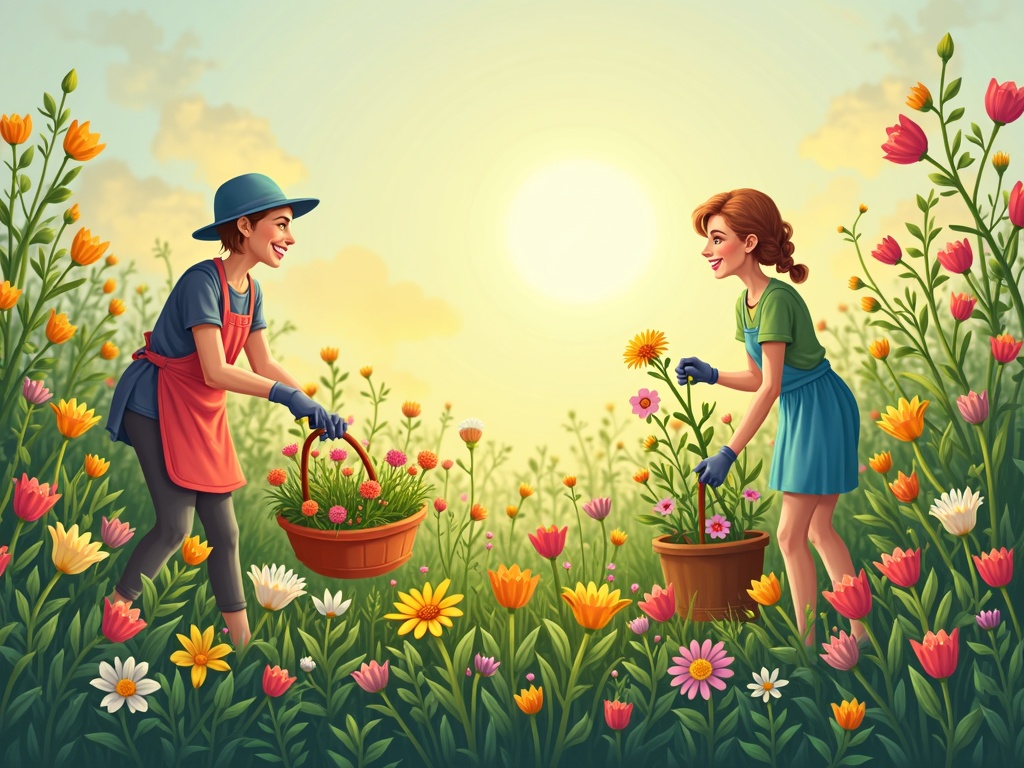
Community Gardening for Seniors: Cultivating Health, Happiness, and Connection
Imagine the warmth of the sun on your face, the rich smell of earth in your hands, and the satisfaction of nurturing life from a tiny seed. This isn't a scene from a pastoral painting; it's the reality of community gardening for seniors, a blossoming trend that's enriching lives in countless ways. But is it just a hobby, or something more profound? Let's dig in and unearth the powerful benefits – and the surprising joys – that await in the garden.
The Roots of a Growing Movement
Community gardening isn't new, but its appeal to seniors is experiencing a resurgence. These shared green spaces offer more than just a plot to grow tomatoes; they're vibrant hubs of social interaction, physical activity, and mental stimulation. For many seniors, especially those who may be retired, live alone, or have limited mobility, community gardens offer a lifeline to purpose and connection.
More Than Just Vegetables: Defining Community Gardening
So, what exactly *isa community garden? Simply put, it's a piece of land gardened collectively by a group of people. These gardens can take many forms, from small plots in urban neighborhoods to sprawling rural spaces. Some are managed entirely by volunteers, while others are supported by local organizations or municipalities. The key element is shared responsibility and a sense of belonging. In some gardens, individuals have their own designated plots, while others operate as communal gardens where everyone works together and shares the harvest. The possibilities are as diverse as the communities they serve.
Why Community Gardening Thrives Among Seniors: A Harvest of Benefits
The reasons seniors are drawn to community gardening are as varied and colorful as the plants they cultivate. Here are some of the most compelling advantages:
Boosting Physical Health: A Natural Elixir
Gardening is a surprisingly effective form of exercise. Digging, planting, weeding, and watering all contribute to increased strength, flexibility, and endurance. Studies have shown that gardening can improve cardiovascular health, reduce blood pressure, and even help manage chronic conditions like arthritis. Furthermore, the vitamin D absorbed from sunshine promotes bone health, reducing the risk of osteoporosis. It's a gentle, low-impact workout that gets seniors moving and enjoying the fresh air.
Nurturing Mental Well-being: A Sanctuary for the Soul
Beyond the physical benefits, gardening offers a powerful boost to mental and emotional well-being. The simple act of nurturing plants can be incredibly therapeutic, reducing stress, anxiety, and feelings of isolation. The rhythmic movements involved in gardening can be meditative, allowing seniors to focus on the present moment and escape the worries of daily life. Witnessing the growth of plants from seed to harvest provides a sense of accomplishment and purpose, fostering feelings of self-worth and resilience. The social interaction inherent in community gardens also combats loneliness and promotes mental acuity.
Cultivating Social Connections: A Blooming Community
Community gardens are, by their very nature, social spaces. They provide opportunities for seniors to connect with others who share a common interest, fostering friendships and building a strong sense of belonging. Intergenerational gardens, in particular, offer unique opportunities for seniors to share their knowledge and experience with younger generations, creating a bridge between different age groups. These interactions can be incredibly enriching for both seniors and young people, fostering mutual respect and understanding.
Access to Fresh, Healthy Food: A Taste of Independence
For seniors on fixed incomes, access to fresh, healthy food can be a challenge. Community gardens provide an opportunity to grow their own fruits and vegetables, ensuring a supply of nutritious, affordable produce. The ability to grow their own food also empowers seniors, giving them a greater sense of control over their health and well-being. Plus, there's nothing quite like the taste of a tomato fresh from the garden, bursting with flavor and sunshine.
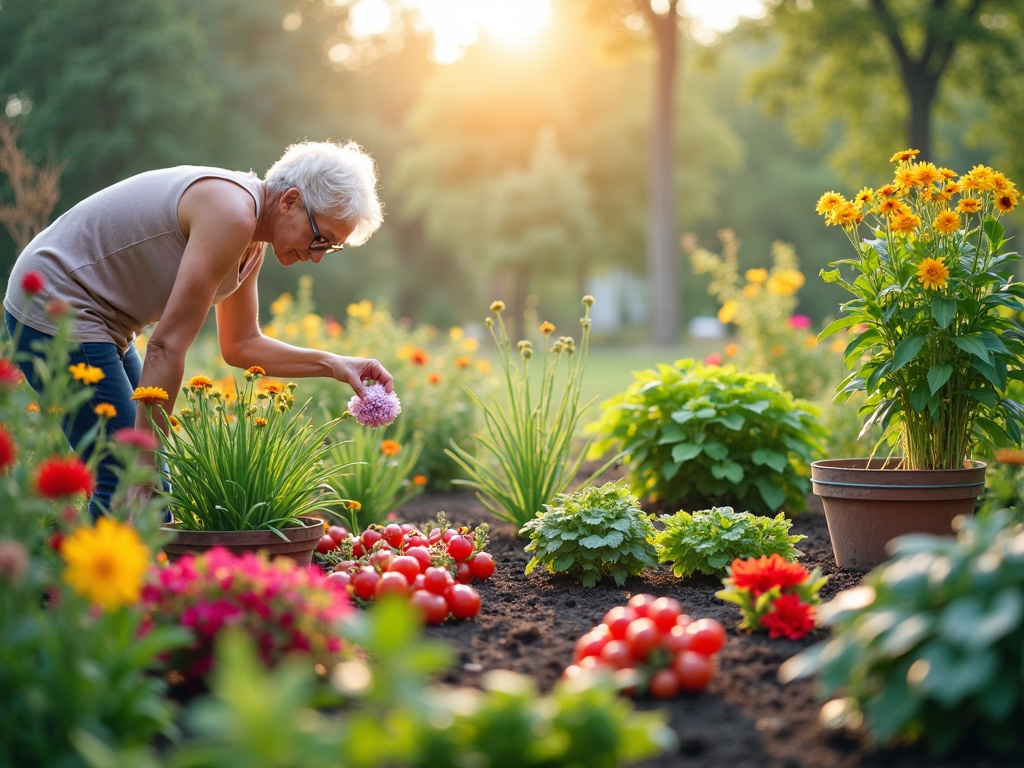
Getting Started: Planting the Seeds of Your Own Garden Adventure
If you're a senior interested in exploring the world of community gardening, here are some tips to get you started:
Finding a Garden Near You: Digging Up Opportunities
**Check with your local Parks and Recreation Department:Many municipalities operate community gardens or can provide information about gardens in your area.
**Search online:Websites like the American Community Gardening Association offer directories of community gardens across the country.
**Connect with local senior centers and community organizations:They may have established gardens or know of opportunities in your community.
**Inquire at local churches or religious institutions:Many churches and other religious organizations offer community garden plots to members and those in need.
Assessing Your Abilities: Knowing Your Limits and Seeking Support
Before jumping in, it's important to assess your physical abilities and limitations. Gardening can be physically demanding, so it's crucial to start slowly and gradually increase your activity level. Consider these points:
**Consult with your doctor:Discuss your plans with your physician to ensure that gardening is safe for you, given any pre-existing health conditions.
**Start small:Begin with a small plot or container garden to avoid overexertion.
**Use adaptive tools:There are many gardening tools designed to make gardening easier for seniors with limited mobility or strength.
**Don't be afraid to ask for help:Community gardens are typically filled with friendly people willing to lend a hand.
Choosing What to Grow: Planting Your Preferences
The possibilities are endless when it comes to what you can grow in your community garden. Consider your personal preferences, your climate, and the space available. Here are a few ideas:
**Easy-to-grow vegetables:Tomatoes, zucchini, cucumbers, lettuce, and beans are all relatively easy to grow, even for beginners.
**Herbs:Herbs like basil, mint, rosemary, and thyme are fragrant, flavorful, and easy to maintain.
**Flowers:Flowers add beauty and color to the garden and can attract pollinators like bees and butterflies.
**Consider companion planting:Research which plants grow well together to maximize your yield and minimize pest problems.
Overcoming Challenges: Weeding Out Obstacles
While community gardening offers many benefits, there are also some potential challenges to be aware of:
Physical Limitations: Adapting and Overcoming
As mentioned earlier, gardening can be physically demanding. Seniors with mobility issues or chronic pain may need to adapt their gardening techniques or use assistive devices. Raised garden beds can make gardening more accessible for those who have difficulty bending or kneeling.
Weather and Climate: Adapting to Mother Nature's Whims
Weather can be unpredictable and can significantly impact the success of your garden. Be prepared for periods of drought, excessive rain, or extreme temperatures. Consider using row covers or shade cloths to protect your plants from the elements.
Pests and Diseases: Protecting Your Precious Plants
Pests and diseases can wreak havoc on your garden. Learn how to identify common garden pests and diseases and take steps to prevent or control them. Organic gardening methods, such as using natural pesticides and promoting beneficial insects, are often the best approach.
Community Dynamics: Navigating Shared Spaces
Community gardens involve working with others, which can sometimes lead to disagreements or conflicts. Communicate openly and respectfully with your fellow gardeners and be willing to compromise. Remember that the goal is to create a shared space that everyone can enjoy.
The Future of Community Gardening for Seniors: A Sustainable Harvest
Community gardening for seniors is more than just a passing trend; it's a sustainable movement with the potential to transform lives and communities. As our population ages, the need for social connection, physical activity, and access to healthy food will only continue to grow. Community gardens offer a powerful solution to these challenges, providing a space where seniors can thrive, connect, and contribute to their communities. By embracing this movement, we can cultivate a healthier, happier, and more connected future for all.