
Here is your article:
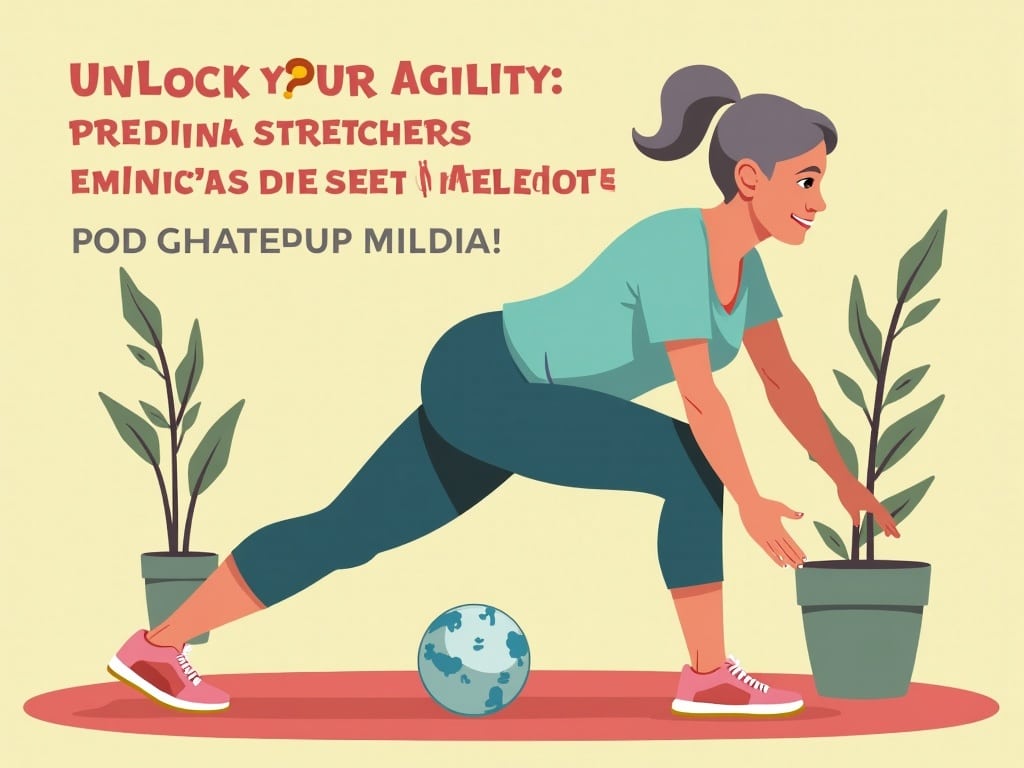
Unlock Your Agility: Gentle Stretching Exercises for Senior Flexibility
Remember the days when you could touch your toes with ease, twist to see behind you without a second thought, or reach for that top shelf item without a groan? While time marches on, flexibility doesn't have to become a distant memory. In fact, with the right approach, regaining and maintaining a good range of motion is entirely possible, and it all starts with simple stretching exercises.
This guide is designed specifically for seniors looking to enhance their flexibility, reduce stiffness, and improve their overall quality of life. We'll explore gentle, effective stretching exercises that can be easily incorporated into your daily routine, empowering you to move with more freedom and comfort. So, let's embark on this journey to unlock your agility and rediscover the joy of movement!
Why Flexibility Matters for Seniors
Flexibility, often overlooked, is a cornerstone of healthy aging. It's not just about being able to perform impressive yoga poses; it's about maintaining independence, preventing injuries, and enjoying an active lifestyle. Here’s why stretching exercises for senior flexibility are so crucial:
- Reduced Risk of Falls: Increased flexibility improves balance and coordination, significantly reducing the risk of falls – a major concern for seniors.
- Pain Relief: Stretching can alleviate pain associated with arthritis, muscle stiffness, and other age-related conditions by loosening tight muscles and improving circulation.
- Improved Posture: Regular stretching helps counteract the effects of hunching and slouching, promoting better posture and spinal alignment.
- Enhanced Mobility: Greater flexibility allows you to perform everyday tasks – reaching, bending, and lifting – with greater ease and less strain.
- Increased Circulation: Stretching promotes blood flow to muscles and tissues, delivering vital nutrients and oxygen, which aids in healing and reduces inflammation.
- Stress Reduction: Stretching can be a calming and meditative practice, helping to release tension and lower stress levels.
Safety First: Essential Guidelines Before You Begin
Before diving into stretching exercises, it's essential to prioritize safety. These guidelines will help you stretch safely and effectively:
- Consult Your Doctor: Always talk to your physician before starting any new exercise program, especially if you have underlying health conditions like arthritis, osteoporosis, or heart problems.
- Warm-Up: Never stretch cold muscles. Begin with a gentle warm-up, such as light cardio or arm circles for 5-10 minutes, to increase blood flow and prepare your muscles for stretching.
- Proper Form: Focus on maintaining proper posture and alignment throughout each stretch. If you're unsure about the correct form, consider consulting a physical therapist or certified fitness professional.
- Gentle and Slow: Stretching should be a slow, controlled process. Avoid bouncing or jerky movements, which can lead to muscle strains.
- Breathe Deeply: Inhale deeply before starting a stretch and exhale slowly as you deepen it. Breathing helps relax your muscles and improve flexibility.
- Listen to Your Body: Never push yourself beyond your comfort zone. You should feel a gentle pull, not pain. If you experience sharp or intense pain, stop immediately.
- Hold Each Stretch: Hold each stretch for 20-30 seconds to allow your muscles to lengthen and relax.
- Consistency is Key: Aim to stretch regularly, ideally 3-7 times per week, to maintain and improve your flexibility.
Effective Stretching Exercises for Senior Flexibility
Here are some gentle and effective stretching exercises specifically designed for seniors. Remember to listen to your body and modify these stretches as needed:
Seated Stretches (Ideal for those with limited mobility)
Performing stretches while seated provides added stability and support, making them a great option for individuals with balance issues or limited mobility.
Neck Stretches
- Chin Tuck: Sit upright with your feet flat on the floor. Gently tuck your chin towards your chest, feeling a stretch in the back of your neck. Hold for 20-30 seconds.
- Head Tilt: Slowly tilt your head to the right, bringing your right ear towards your right shoulder. Hold for 20-30 seconds, then repeat on the left side.
- Head Rotation: Gently turn your head to the right, looking over your right shoulder. Hold for 20-30 seconds, then repeat on the left side.
Shoulder Stretches
- Shoulder Rolls: Sit upright and gently roll your shoulders forward in a circular motion for 10 repetitions, then reverse the direction and roll your shoulders backward for 10 repetitions.
- Arm Circles: Extend your arms out to the sides and make small circles forward for 10 repetitions, then reverse the direction and make small circles backward for 10 repetitions.
- Cross-Body Shoulder Stretch: Bring your right arm across your body and gently hold it with your left hand, feeling a stretch in your right shoulder. Hold for 20-30 seconds, then repeat on the left side.
Torso Stretches
- Seated Spinal Twist: Sit upright with your feet flat on the floor. Place your right hand on the back of your chair and your left hand on your right knee. Gently twist your torso to the right, looking over your right shoulder. Hold for 20-30 seconds, then repeat on the left side.
- Side Stretch: Sit upright with your feet flat on the floor. Reach your right arm overhead and gently lean to the left, feeling a stretch along your right side. Hold for 20-30 seconds, then repeat on the left side.
Leg and Ankle Stretches
- Seated Hamstring Stretch: Extend one leg straight out in front of you, keeping your heel on the floor. Sit upright and gently lean forward from your hips, feeling a stretch in the back of your thigh. Hold for 20-30 seconds, then repeat on the other leg.
- Ankle Rotations: Extend your leg straight out. Rotate your ankle clockwise ten times, and counter clockwise ten times. Repeat on the other leg.
- Calf Stretch: Extend one leg straight out. Use a towel loop to stretch up and back on your toes, feeling the stretch in your calf muscle.
Standing Stretches (For those with good balance)
If you have good balance and mobility, these standing stretches can further enhance your flexibility.
Wall Push-Up Stretch
- Stand an arm's length from a wall. Place your hands flat on the wall at shoulder height and width.
- Lean forward, bending your elbows, until you feel a gentle stretch in your chest and shoulders.
- Hold for 20-30 seconds.
Standing Quadriceps Stretch
- Stand tall, holding onto a chair or wall for balance if needed.
- Bend your right knee and bring your right heel towards your buttocks.
- Reach back with your right hand and gently grasp your right foot or ankle.
- Pull your heel closer to your buttocks, feeling a stretch in the front of your thigh.
- Hold for 20-30 seconds, then repeat on the left side.
Standing Calf Stretch
- Stand facing a wall, with one foot slightly behind the other.
- Place your hands on the wall for support.
- Bend your front knee and keep your back leg straight, with your heel on the floor.
- Lean forward until you feel a stretch in your calf muscle.
- Hold for 20-30 seconds, then repeat on the other side.
Hip Flexor Stretch
- Stand tall, holding onto a chair or wall for balance if needed.
- Step one leg back, keeping your back heel lifted off the floor.
- Gently push your hips forward, feeling a stretch in the front of your hip.
- Hold for 20-30 seconds, then repeat on the other side.
Important Note: Only perform standing stretches if you have good balance and no risk of falling. If you feel unsteady, stick to seated variations.
Creating a Personalized Stretching Routine
The key to success with stretching is consistency and personalization. Here's how to create a stretching routine that works for you:
- Assess Your Needs: Identify areas where you feel stiff or limited in your range of motion. Focus on stretches that target those specific areas.
- Start Slowly: Begin with just a few stretches and gradually increase the number and duration as you become more flexible.
- Choose Your Time: Find a time of day when you can consistently dedicate 15-30 minutes to stretching. Some people prefer stretching in the morning to loosen up after sleep, while others find it more beneficial in the evening to relax before bed.
- Make it Enjoyable: Play relaxing music, stretch in a comfortable environment, or invite a friend to join you to make stretching more enjoyable.
- Listen to Your Body: Pay attention to your body's signals and adjust your routine accordingly. Some days you may feel more flexible than others, and it's important to respect your body's limitations.
Beyond Stretching: Complementary Practices for Enhanced Flexibility
While stretching is essential, other practices can complement your efforts and further enhance your flexibility:
- Yoga: Yoga combines stretching, strengthening, and mindfulness, making it an excellent practice for improving overall flexibility and well-being. Look for gentle or restorative yoga classes specifically designed for seniors.
- Pilates: Pilates focuses on core strength and controlled movements, which can improve posture, balance, and flexibility.
- Tai Chi: Tai Chi is a gentle form of martial arts that involves slow, flowing movements, promoting flexibility, balance, and coordination.
- Massage Therapy: Massage can help release muscle tension and improve circulation, making it easier to stretch and increasing your range of motion.
- Hydration: Staying adequately hydrated is crucial for maintaining muscle elasticity and preventing stiffness. Drink plenty of water throughout the day.
Reap the Rewards of Increased Flexibility
Incorporating stretching exercises for senior flexibility into your daily routine can reap significant rewards. You'll not only improve your physical well-being but also enhance your overall quality of life.
Imagine waking up without stiffness, moving with ease, and enjoying an active and independent lifestyle. With dedication and consistency, you can unlock your agility and experience the joy of movement at any age. So, take a deep breath, start stretching, and embrace the countless benefits of increased flexibility! Remember to consult with your doctor or a qualified physical therapist for personalized guidance.